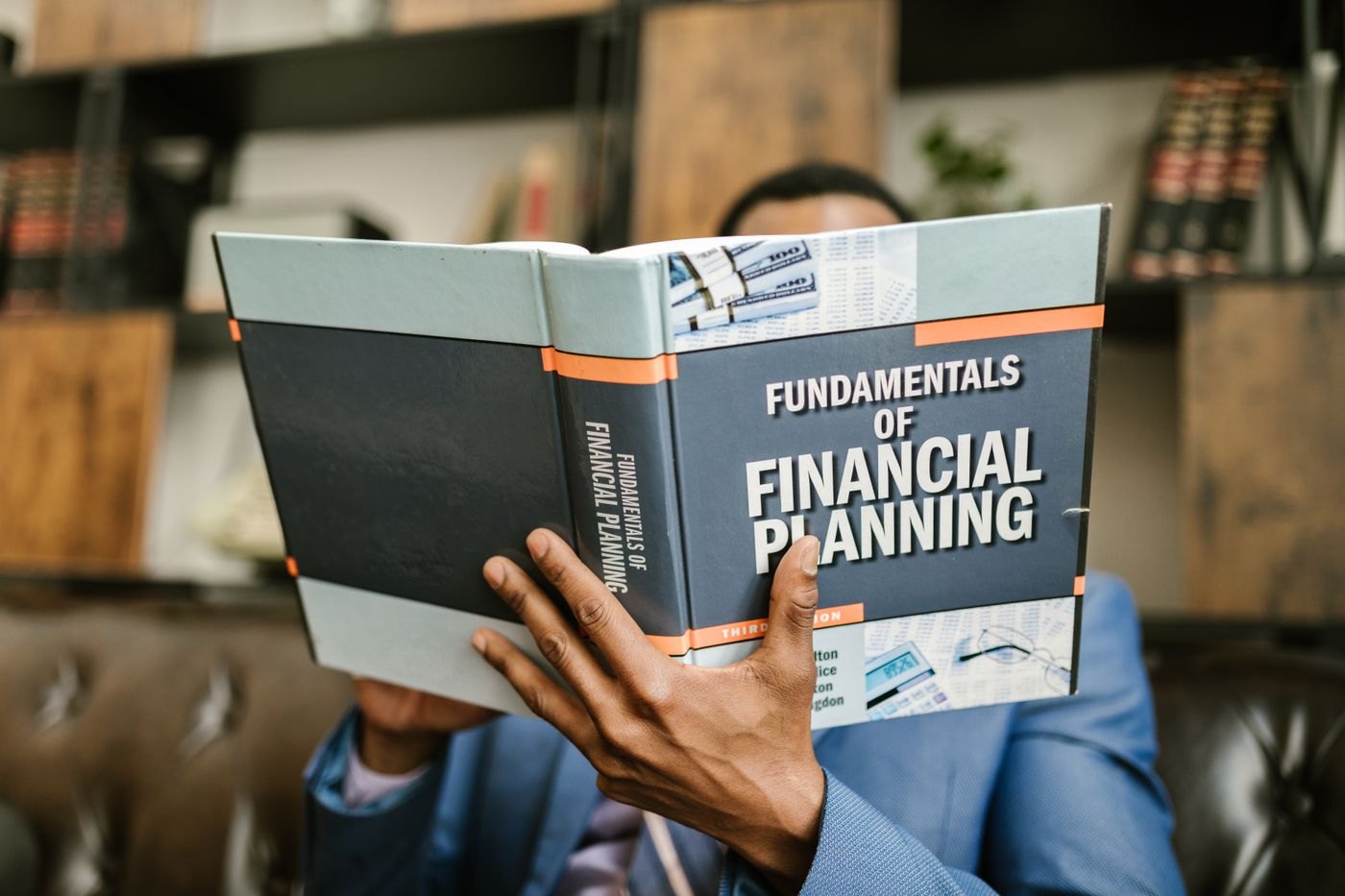
Name the question before choosing the book
Write a question such as “How do fund fees work?” or “How can I track irregular household expenses?” A broad ambition to understand money can lead to a shelf of books covering very different problems. A specific question helps assess whether a book's contents are relevant before buying or borrowing it.
Distinguish foundational ideas from rules that change. Arithmetic, the meaning of a balance sheet and the distinction between risk and return can be explored across several sources. Tax allowances, account eligibility and current product terms require up-to-date information for the relevant country. A book can introduce the subject without being the final authority on those details.
Start with one main resource and a small number of references for checking unfamiliar terms. Reading several similar introductions at once can create repetition without resolving the original question. Keep other titles in a later list with a short reason for including them.
Examine the material before committing time or money
Look at the contents, sample pages, publication date and intended audience. Check whether the examples use a country, income level or financial situation unlike yours. That does not make the book useless, but it changes which parts can be applied directly and which require translation into your own context.
Consider how the author supports claims. Are calculations explained? Are limitations acknowledged? Does a personal story become a universal prescription without evidence? A compelling narrative can be enjoyable while still needing independent checking. Treat promises of effortless wealth as claims to investigate, not as a reading outcome already secured.
Keep a short learning record
After a chapter or section, note one idea you can explain, one question still open and any factual point needing a current primary source. Use your own words rather than copying long passages. If a worked example is central, reproduce the arithmetic with a different simple set of numbers to test understanding.
Review the list when the original question is answered. The next step may be a regulator's explanation, a library reference service or a professional conversation rather than another general book. A reading list succeeds by improving understanding, not by growing indefinitely or creating pressure to finish material that no longer serves the task.