
Savings & goals
Choosing a first emergency savings milestone
A first milestone can address a specific disruption without pretending to solve every financial risk.
Connect a future expense to the money and time available today.
23 articlesA first milestone can address a specific disruption without pretending to solve every financial risk.

Separate uncertainty about timing from costs you already know are coming.

Count the contributions that can arrive before the spending deadline, then test whether the result fits.

Choose transfer dates that fit the account balance, and keep a way to review or pause the arrangement.

Estimate the full replacement cost and avoid treating an appliance lifespan as an exact deadline.

A move is several cash deadlines, not one savings target on moving day.
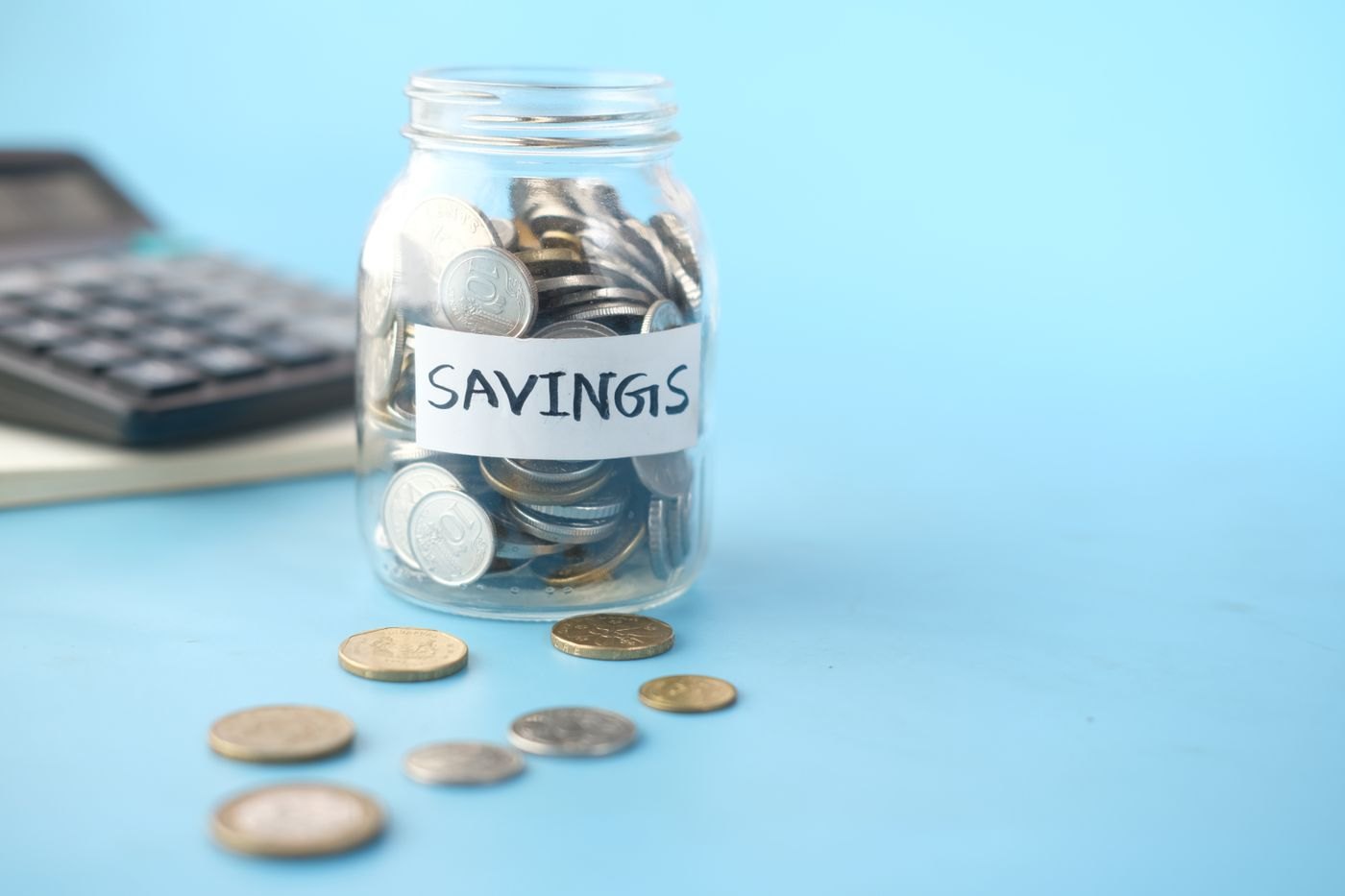
Separate goal balances in the record even when the cash sits in one account.

Rebuild from the balance that remains, after checking that the disruption has actually ended.

Use the timing and reliability of income to decide what can be assigned to savings.

Compare the route from savings to a usable payment, not only the account headline.

Read the assumptions about time, balance and compounding before interpreting an interest figure.
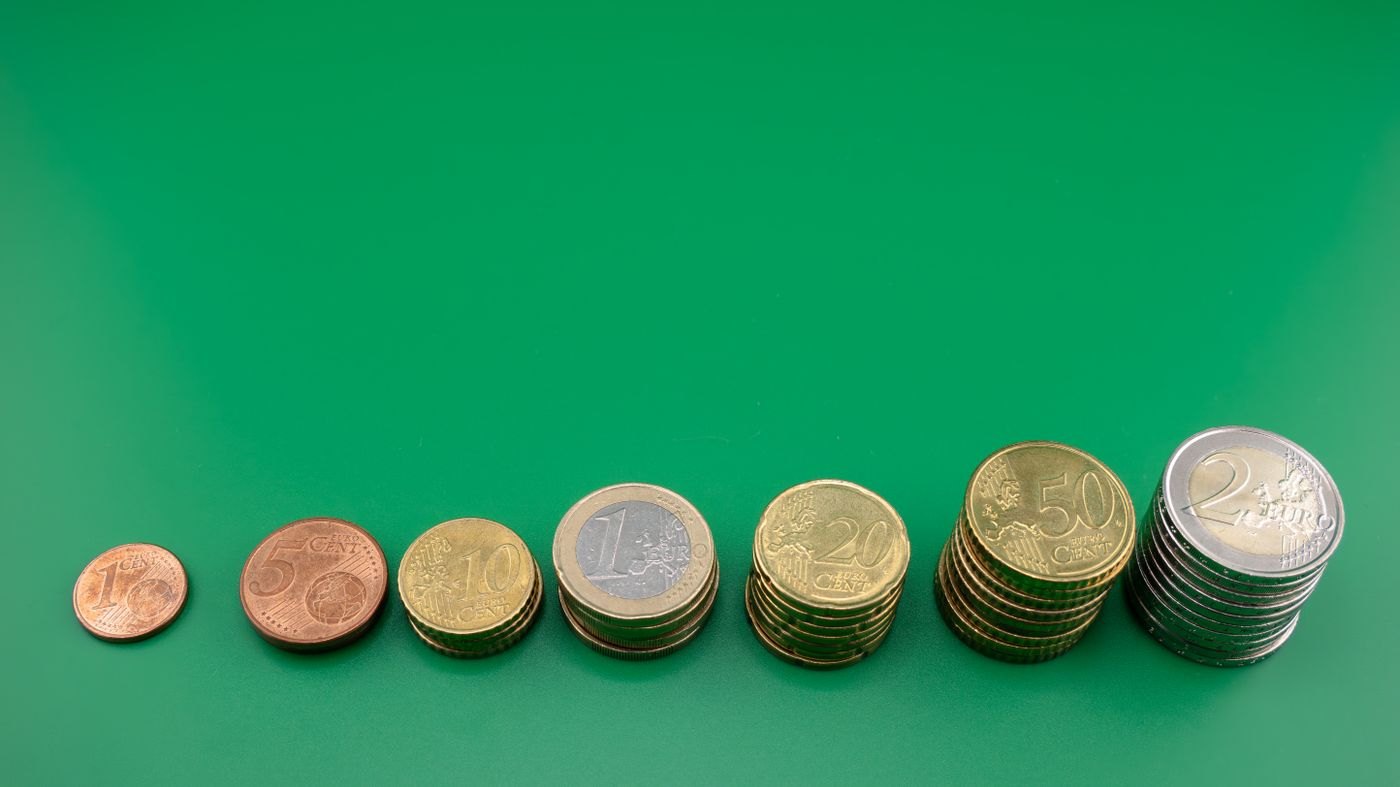
A two-year example shows what changes when interest stays in the balance.

Give the trip its own payment schedule and keep ordinary obligations funded while you are away.

Separate scheduled maintenance, wear-related replacements and unexpected repairs.

A seasonal cost can be predictable even when it happens only once a year.

Review the purpose, price and deadline before continuing to fund an old goal.

Choose a tracker that can show real contributions, withdrawals and assignments without unnecessary administration.

Pause long enough to establish what the money is, what obligations accompany it and what decisions are genuinely open.

Different deadlines call for separate funding questions, even when the goals share one account.

A target is a price estimate, so review the thing you intend to buy as well as the cash balance.

Build a dated plan for the gap, including the uncertain date when normal income resumes.

Check that an old instruction still fits the current goal and the account it draws from.

An emergency balance is useful only if the money remains available and can reach the payment when needed.