
Everyday budgeting
A cash-flow calendar for an uneven month
A monthly total can look comfortable while the balance runs short halfway through. Put dates beside the numbers to see the difference.
Budgets / Savings / Investing
A notebook for financial decisions
Work through the month in front of you, make space for a goal, and understand the questions behind an investment.
Find a starting point ↗Begin with the dates, not just the total.The everyday money notebook
A monthly total can look comfortable while the balance runs short halfway through. Put dates beside the numbers to see the difference.
Open the article →Understanding the mechanics
Worked examples separate the arithmetic from the assumptions. Start with what changes when a portfolio's proportions move.
Explore rebalancing ↗ What rebalancing changes in a portfolio
A monthly total can look comfortable while the balance runs short halfway through. Put dates beside the numbers to see the difference.

Match a returned payment to the original purchase and distinguish a refund from a promise of one.

Choose a tracker that can show real contributions, withdrawals and assignments without unnecessary administration.

A price chart leaves out cash paid to investors. Total return brings income and value changes into the same calculation.
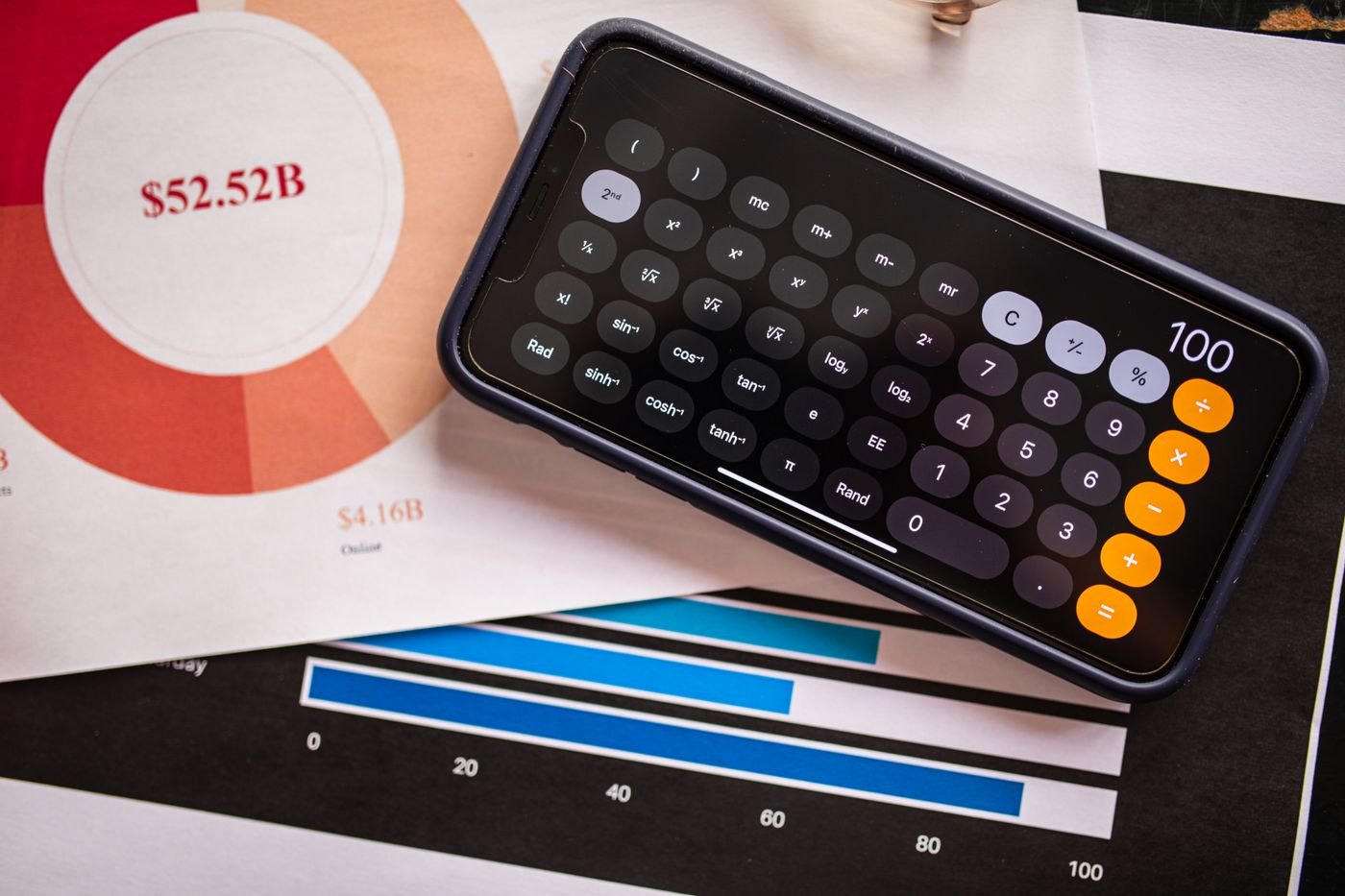
A cost illustration can be useful only when its assumptions are carried with it. Translate the example into questions before applying it to your own account.

Used equipment can reduce an upfront price, but the comparison should end with a usable item, not just a successful purchase.
These articles explain concepts and planning methods. Examples are illustrative; they do not recommend an investment or replace advice based on individual circumstances.
How to use the articles →