Tools & money skills
Building a simple net-worth snapshot
Net worth is a dated picture of assets minus liabilities. It can help organise a financial review, but it is not the same as cash available for next month.
Work through calculations, organise records and assess what you read.
16 articlesNet worth is a dated picture of assets minus liabilities. It can help organise a financial review, but it is not the same as cash available for next month.

A percentage change needs a starting value. Choosing the wrong denominator can turn a correct subtraction into a misleading comparison.

A change between two percentages can be expressed in percentage points or as a relative percentage change. These are different measurements.
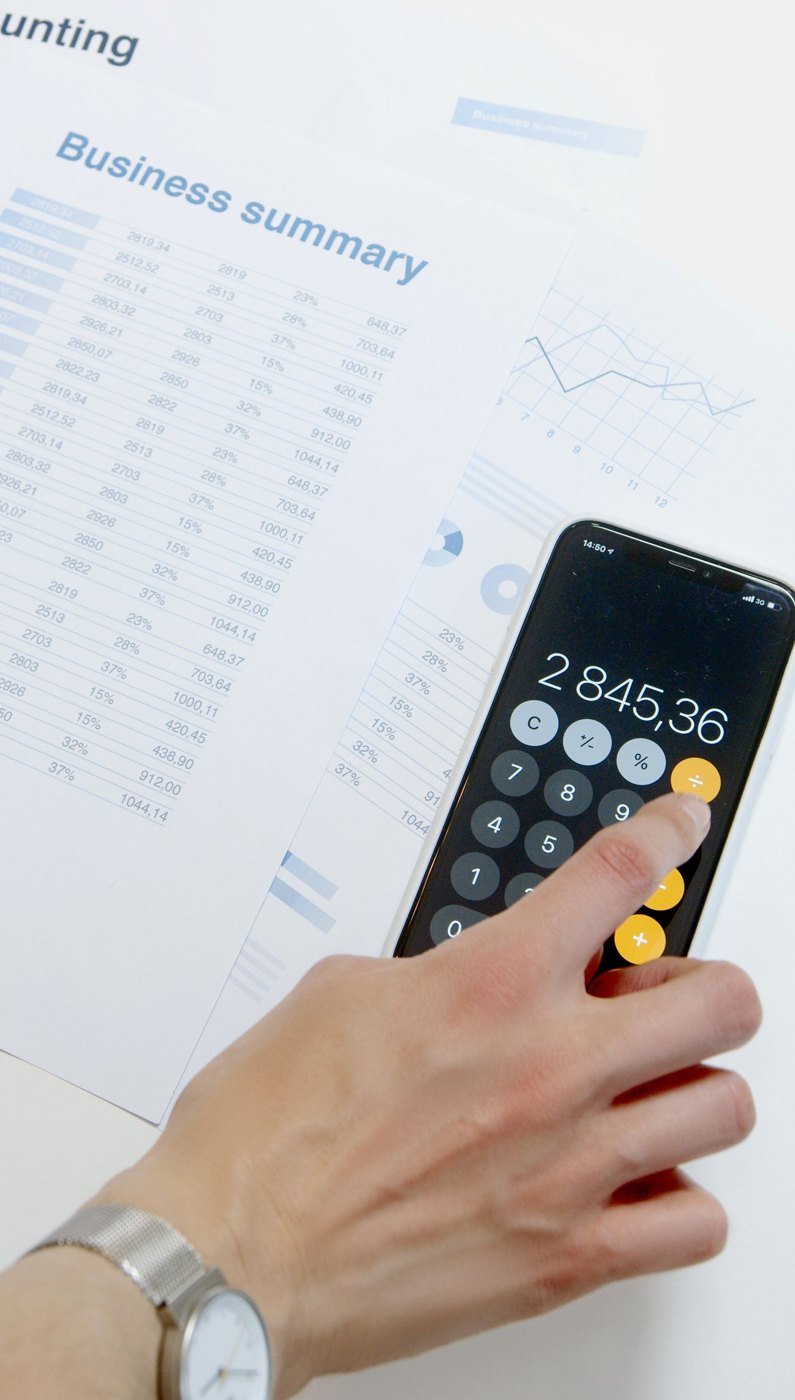
A compound-growth calculator applies assumptions consistently. The output can explain their consequences, but it cannot turn an assumed return into a prediction.

A savings tracker should distinguish money added, money taken out and interest. Start with a small structure that can be reconciled with the real account.

A financial document folder should help you find the current record without exposing more information than necessary. Organise around the questions the documents answer.

An account inventory records where financial relationships exist and what they are for. It should not become an unprotected list of passwords.

Before forwarding a financial claim, find out what is being asserted and what evidence actually supports it. A confident presentation is not the same as a checked statement.

A deadline, a testimonial and a polished dashboard can create pressure without establishing that an investment is genuine or suitable. Separate the sales tactic from the evidence.

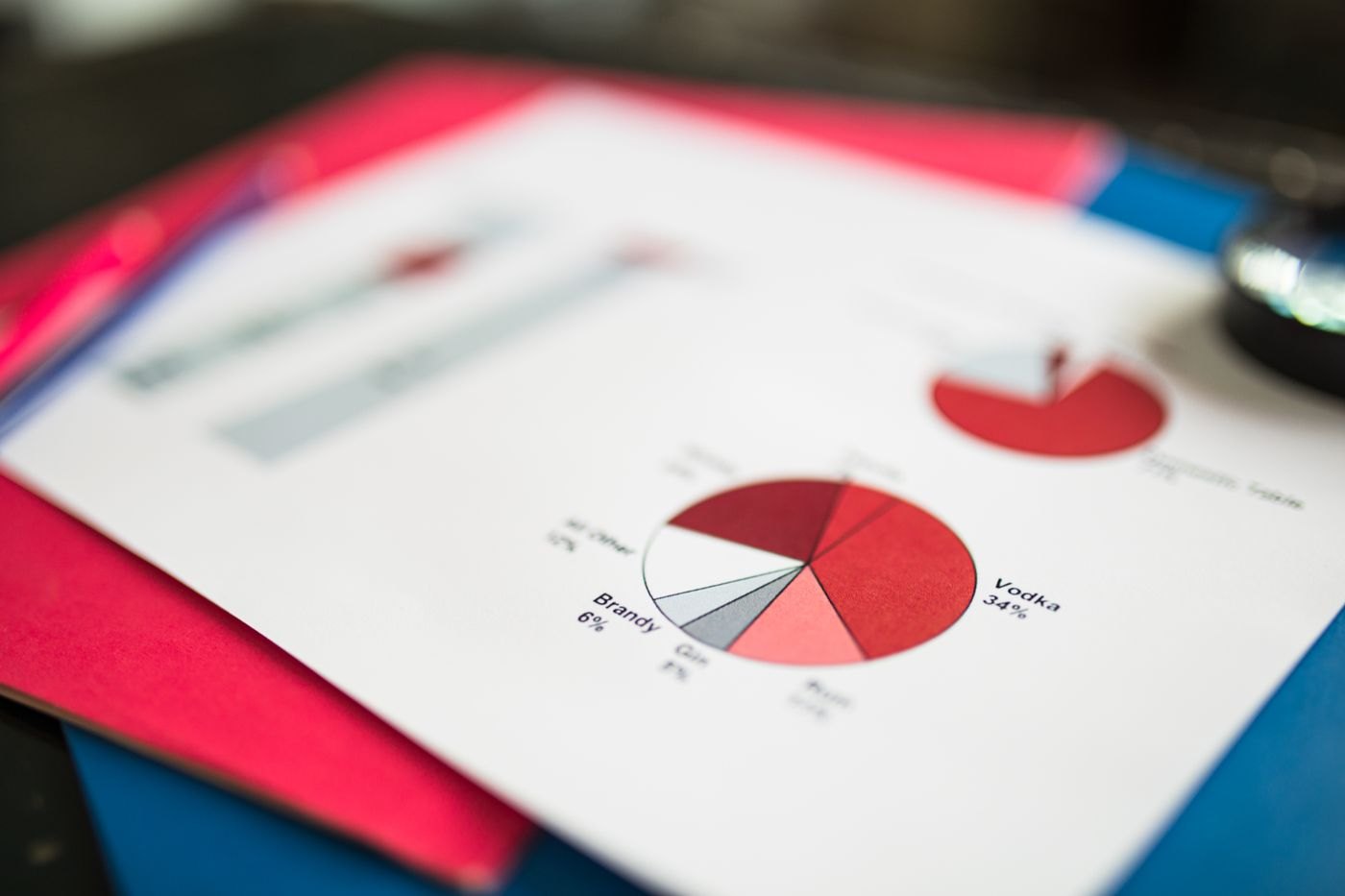
A hypothetical return chart is a picture of assumptions. Read the construction before interpreting the shape as evidence about the future.

A financial reading list is more useful when it starts with a question. Choose material that explains the next gap in your understanding rather than collecting every popular title.

A personal finance book can offer useful explanations alongside assumptions that do not fit every reader. Read the argument and the conditions together.

A library can make it easier to explore financial subjects before purchasing books. Check the collection and access arrangements available to you rather than assuming every service is universal.

Course notes should preserve reasoning you can use later. A long transcript can be less useful than a short record of the concept, assumptions and unanswered questions.

A first conversation with a financial professional should establish the service, its boundaries and its cost. Preparing questions makes different offers easier to understand.

A quarterly review can connect routine spending with longer-term goals. Give it a limited agenda so it produces decisions rather than an overwhelming financial overhaul.