
Everyday budgeting
A cash-flow calendar for an uneven month
A monthly total can look comfortable while the balance runs short halfway through. Put dates beside the numbers to see the difference.
The complete notebook
Browse 137 articles, or narrow the collection by subject and a word or phrase.
A monthly total can look comfortable while the balance runs short halfway through. Put dates beside the numbers to see the difference.

Turn a statement into a useful spending plan by cleaning the entries before setting targets.

Separate a cautious spending plan from an optimistic income forecast when pay varies.

Assign each bill to money available before its due date, rather than dividing every cost in half.

An annual bill needs both a monthly allowance and a plan for the first due date.

A transfer changes where money sits. A purchase changes what it has paid for.

Use shopping patterns, household needs and waste to set a grocery allowance that can change.

Agree what is shared, how contributions are calculated and how the payments will be checked.

Treat your wallet as a small account so withdrawals and purchases do not disappear into one number.

Group modest costs that occur unpredictably without turning the category into a hiding place.

Weekly pay needs an annual perspective and a calendar-level check.

An extra shopping day can make a month expensive without changing your weekly habits.

A move changes timing, one-off costs and the shape of ordinary bills.

Distinguish a temporary cash gap from a lasting change in what the household can afford.

Identify the costs that keep daily life functioning without pretending every reduction is possible immediately.

A useful category helps explain a decision; extra detail is worthwhile only when you use it.

Keep the envelope limit and the spending record connected, whether the envelopes are physical or digital.

Explain the difference before deciding what to change next month.

A reimbursable purchase still needs cash before the reimbursement arrives.

A short payday routine can connect the cleared payment with the bills and choices ahead.

Separate the price of energy or water, the amount used and the way the provider collects payment.

A small project needs a clear boundary between its activity and the household money available to spend.

Match a returned payment to the original purchase and distinguish a refund from a promise of one.

Make a shared money discussion about specific decisions and agreed next steps.

Use ranges and decision dates when a precise bill has not arrived yet.

Test the completeness of the inputs as well as whether the formulas add correctly.

Set an allowance after commitments are visible, then decide how unused amounts will behave.

Carry forward the information that remains useful and close the items that are genuinely finished.

A first milestone can address a specific disruption without pretending to solve every financial risk.

Separate uncertainty about timing from costs you already know are coming.
Count the contributions that can arrive before the spending deadline, then test whether the result fits.

Choose transfer dates that fit the account balance, and keep a way to review or pause the arrangement.

Estimate the full replacement cost and avoid treating an appliance lifespan as an exact deadline.

A move is several cash deadlines, not one savings target on moving day.

Separate goal balances in the record even when the cash sits in one account.

Rebuild from the balance that remains, after checking that the disruption has actually ended.

Use the timing and reliability of income to decide what can be assigned to savings.

Compare the route from savings to a usable payment, not only the account headline.

Read the assumptions about time, balance and compounding before interpreting an interest figure.

A two-year example shows what changes when interest stays in the balance.

Give the trip its own payment schedule and keep ordinary obligations funded while you are away.

Separate scheduled maintenance, wear-related replacements and unexpected repairs.

A seasonal cost can be predictable even when it happens only once a year.

Review the purpose, price and deadline before continuing to fund an old goal.

Choose a tracker that can show real contributions, withdrawals and assignments without unnecessary administration.

Pause long enough to establish what the money is, what obligations accompany it and what decisions are genuinely open.

Different deadlines call for separate funding questions, even when the goals share one account.

A target is a price estimate, so review the thing you intend to buy as well as the cash balance.

Build a dated plan for the gap, including the uncertain date when normal income resumes.

Check that an old instruction still fits the current goal and the account it draws from.

An emergency balance is useful only if the money remains available and can reach the payment when needed.

A bank balance can include money already committed to bills, reserves and near-term plans. Separate those jobs before considering investment risk.

A goal has more than a target date. The first withdrawal, flexibility and consequences of a shortfall all shape its investment horizon.

Feeling comfortable with market movements and being able to absorb a financial loss are related questions, but they are not interchangeable.

A share is an ownership interest with rights and risks. It is not a promise that the company will return your purchase price.

A bond yield is a summary of assumptions. The issuer, payment terms, purchase price and repayment conditions explain what stands behind the number.

A fund combines investors’ money into a portfolio. Understanding the units you own and the assets behind them helps separate the fund from its marketing label.

Exchange trading describes how a fund is bought and sold. Its holdings and strategy determine much of the risk an investor is taking.

An index fund follows a defined market measure. The index’s selection and weighting rules are part of the investment, not background detail.

Diversification is about different underlying exposures. Several account names or fund labels may still leave much of the money tied to the same source of risk.

A look-through calculation can reveal exposure to the same company in several funds. Keep the valuation dates and the limits of the data beside the result.

An allocation describes how money is divided among exposures. Learning the arithmetic is useful without treating an example as a portfolio recommendation.

Rebalancing changes the proportions of existing investments. It is a decision about an agreed allocation, with costs and practical limits to check.

Regular contributions impose a schedule on investing. Their arithmetic differs from predicting which day will offer the lowest price.

A fixed dealing charge takes a different proportion of a small purchase than a large one. Work through the actual order pattern before comparing providers.

Buying less than one share can make precise cash amounts investable. Provider rules still determine how the fraction is traded, held and transferred.

A price chart leaves out cash paid to investors. Total return brings income and value changes into the same calculation.

A dividend is cash distributed to shareholders. Its arrival should be considered alongside the investment’s changing value and the terms of the payment.
Income and accumulation share classes handle fund distributions differently. Compare the same underlying strategy before attributing differences to performance.
A higher account valuation is not the same as cash ready to withdraw. Separate the market value, the sale and the movement of proceeds.

Liquidity concerns whether an asset can be turned into cash when needed and on what terms. A valuation shown on screen may not be an available sale price.

An overseas investment can change in both its local value and its value in your spending currency. The two movements combine rather than simply adding.

A historical result describes one set of prices, dates and conditions. It cannot establish what the next investor will earn.
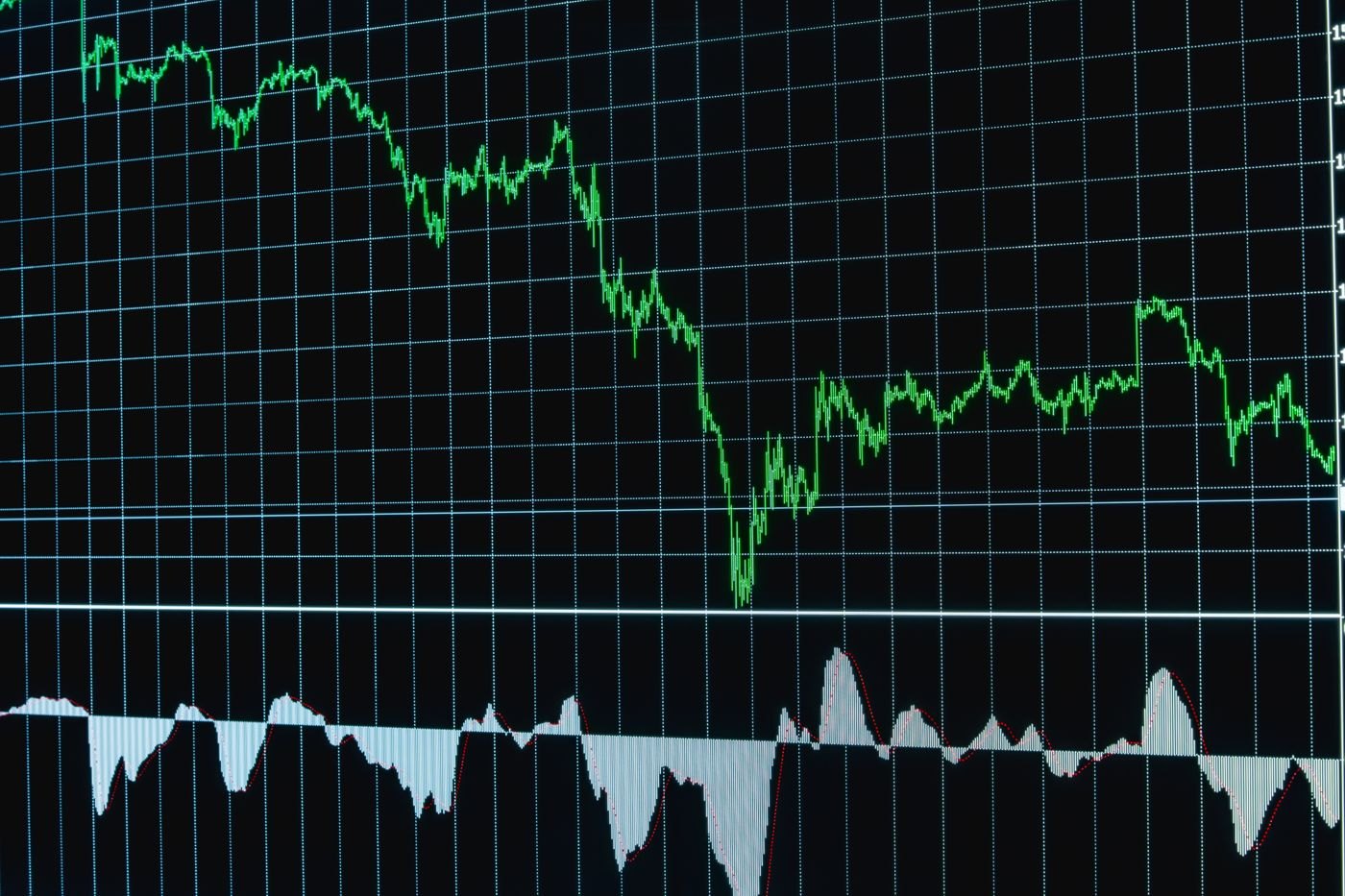
Price variability and the possibility of an unrecoverable loss describe different problems. Neither can be understood from a single smooth-looking chart.

A benchmark supplies a comparison, but its coverage, currency and return definition determine what the comparison can show.

Familiarity with a company can obscure how much of a portfolio depends on it. Measure the combined exposure before judging its significance.

Employer shares can connect employment income and investment value to the same business. The first step is to distinguish what is owned, vested and actually available.
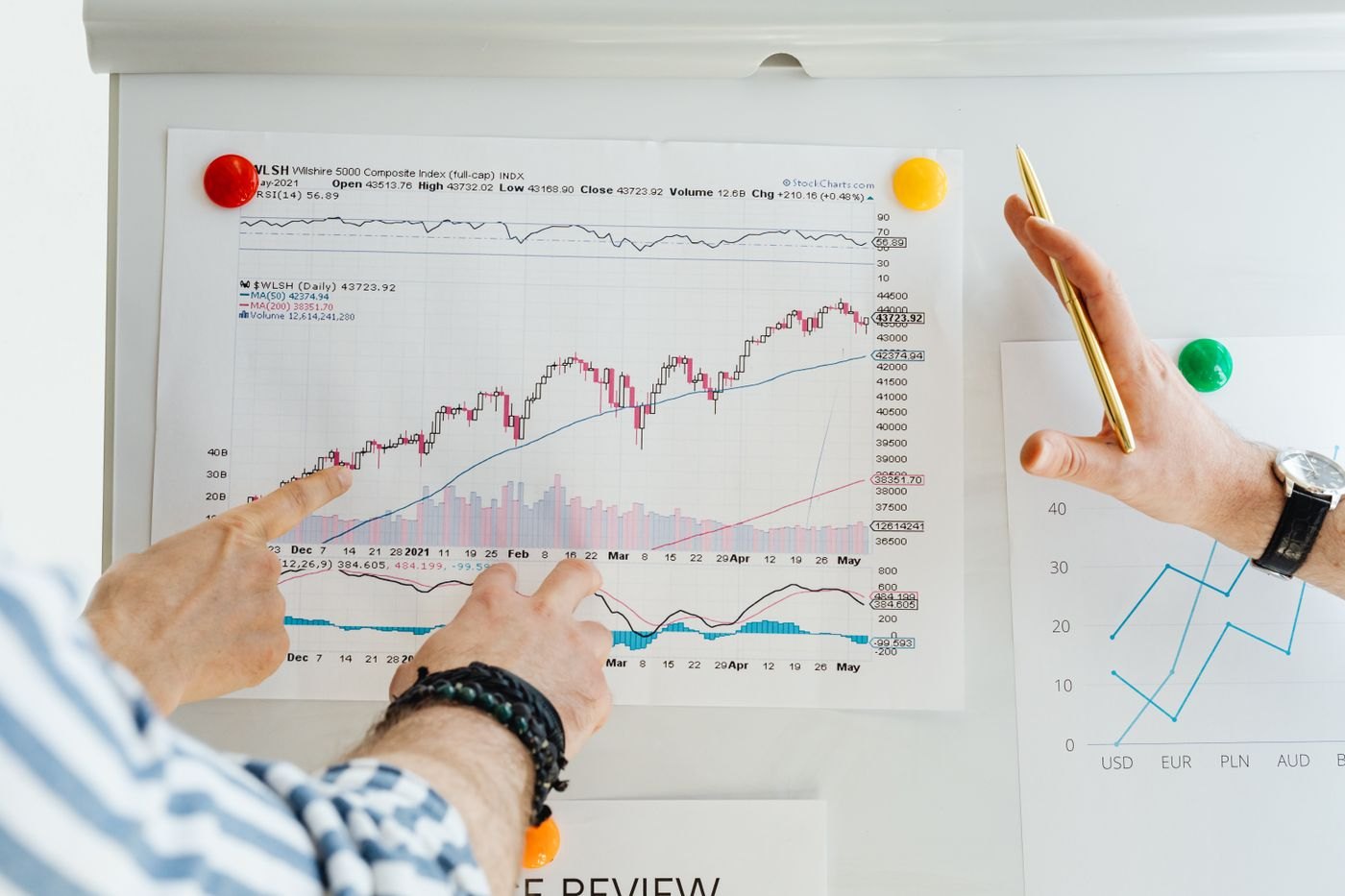
Market and limit orders express different priorities. Neither instruction removes price uncertainty, execution uncertainty or the need to check the result.

The trade date, settlement date and withdrawal date can be different. A sale should not be treated as an immediate bank transfer.

A decision journal preserves what was known at the time. Its value comes from separating the original reasoning from the story told after prices move.

A personal investment policy note describes purpose, limits and review triggers. It can remain useful without pretending to be a complete financial plan.

Compare the cost of the activity you expect, using the same balance and assumptions for every platform. A low headline rate can conceal a minimum or a different charging base.

A fee schedule is easier to read when each charge is connected to a trigger, a calculation base and a collection date.

A percentage charge needs a base amount and a period. Converting the rate to a decimal is only the first part of the calculation.

A monthly subscription is a fixed cash cost. Expressing it annually and relative to the account helps show what the same price means at different balances.

A zero commission describes one charge. The complete cost of a transaction may also involve execution prices, conversion and account or product expenses.

The bid and ask describe opposite sides of a quote. Their difference matters when comparing purchase and sale prices, even without a separate commission.

A fund expense ratio summarises a category of ongoing costs. Compare like-for-like share classes and check which other charges sit outside it.
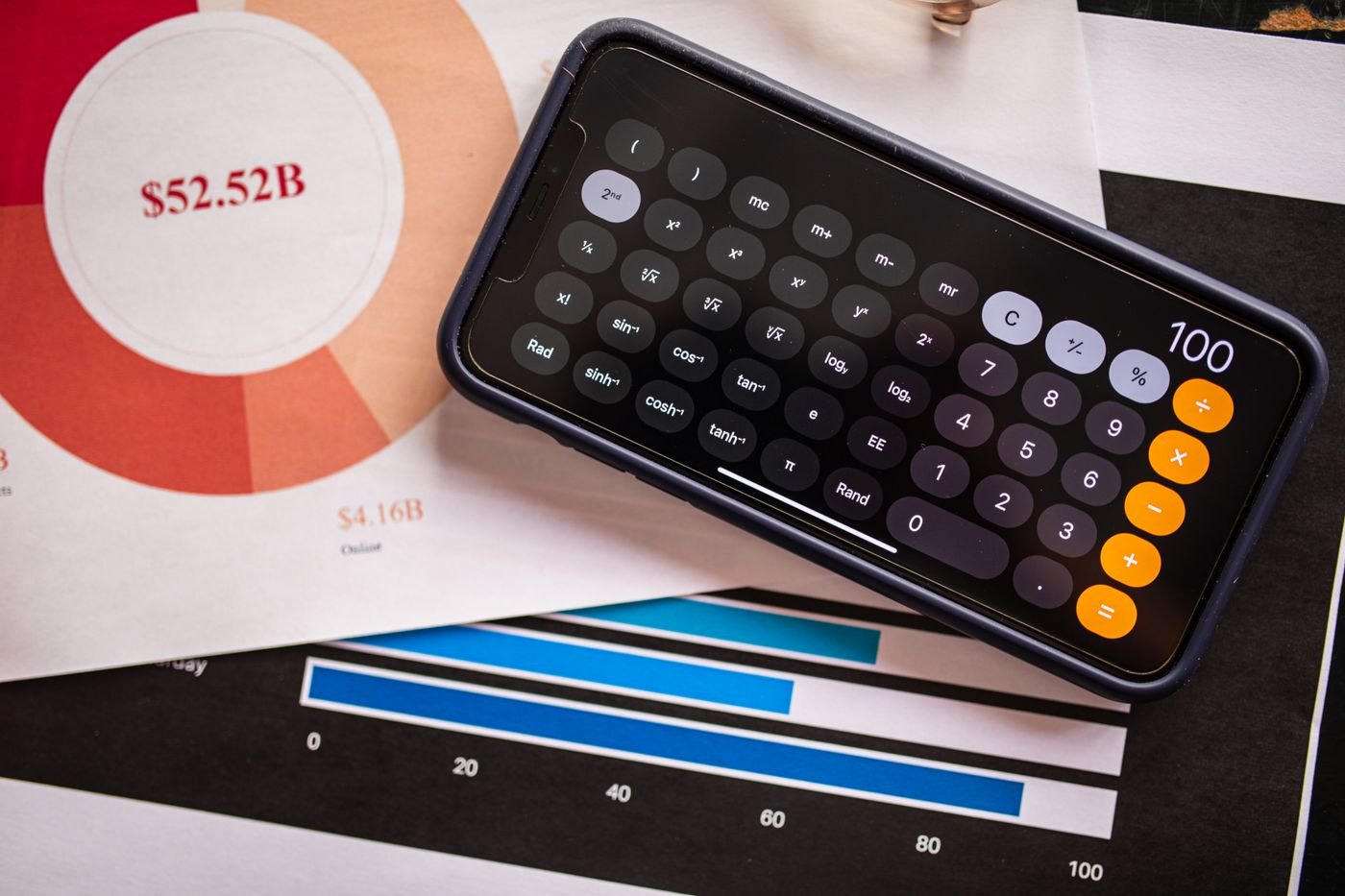
A cost illustration can be useful only when its assumptions are carried with it. Translate the example into questions before applying it to your own account.

A factsheet is a compact snapshot. It is a starting point for reading a fund, not a replacement for the documents that define its terms.

Reading a prospectus is more manageable when it answers a sequence of specific questions about the fund, its risks and the investor’s access to money.

Moving an account can involve more than a transfer fee. Identify which holdings can move intact, which may need sale and what happens during the transition.

A conversion cost can be explicit, included in the exchange rate or both. Label the direction of the rate before comparing the cash received.

An introductory price belongs to a set of conditions and an end date. Compare the ordinary cost as well as the opening offer.

Recurring arrangements differ in timing, eligible investments and failure handling. A regular bank transfer is not always a recurring investment order.

An account statement combines holdings, cash and activity. Reconcile those parts separately before interpreting the change in the headline balance.

A confirmation records an executed trade. Compare its identity, quantity, price and charges with the instruction and then with the account ledger.

A first account comparison works better when the questions describe your intended use. Ask about the legal entity, costs, access and records before relying on a brand name.

Check the exact entity and permission through the relevant authority’s own records. A familiar name or a copied registration number is not enough.

A subscription review works best before the renewal date, while there is still time to decide what you want to keep.

A bigger pack can have a lower unit price and still cost more than you need to spend. Compare both the arithmetic and the amount you will use.

A large purchase often includes several costs and more than one payment date. Give the full purchase a plan before treating a monthly saving as sufficient.

A manageable-looking instalment does not describe the whole purchase. Add the payments, fees and timing before comparing the plan with paying upfront.

APR is useful comparison information, but it does not answer every question about a borrowing arrangement. Read it alongside the cash flows and conditions.

A repayment schedule shows how payments are allocated over time. Follow one row carefully before relying on the final balance.

Before comparing repayment methods, make the obligations visible. A debt list is an information tool; it does not decide which payment has the most serious consequences.

The snowball and avalanche methods direct extra payments differently. A small example shows the trade-off without pretending to be a personalised repayment plan.

A minimum payment is a required floor under an account agreement, not a promise of quick repayment. Look at how much of a payment actually reduces the balance.

Several small instalments can overlap before they feel like one large commitment. Keep the remaining payments visible alongside ordinary bills.

A refund usually reverses an earlier purchase. Treating it as a windfall can leave a replacement purchase or an unpaid balance out of the picture.

Used equipment can reduce an upfront price, but the comparison should end with a usable item, not just a successful purchase.

A repair quote and a replacement price describe different starting points. Compare the usable outcomes, the uncertainty and the time without the item.

A no-spend week can reveal habits, provided its rules are clear. It should not mean delaying necessary spending or moving every purchase into the following week.

A multi-buy offer is a quantity decision as well as a price comparison. The relevant saving depends on what you would otherwise buy and actually use.

An annual subscription can reduce the listed price while increasing the amount committed upfront. Compare the expected period of use and the actual cancellation terms.

Delivery and return costs can change which purchase is cheaper. Include the route into your home and the possible route back before comparing totals.

A waiting list creates space between wanting an item and paying for it. Its value comes from recording the reason for the purchase, not just imposing a delay.

Keep the cancellation record until the billing outcome matches it. A confirmation and a stopped recurring charge are related, but they are not the same evidence.

If a payment is becoming difficult, a prepared conversation can make the facts clearer. The provider still has to confirm any change to the agreement.

A mobile plan should be compared with the way the phone is used, including occasional busy months. A single low-usage month can give a misleading starting point.

Cost per use can expose an unrealistic purchase story. It becomes less useful when the number of future uses is treated as a fact.

Net worth is a dated picture of assets minus liabilities. It can help organise a financial review, but it is not the same as cash available for next month.

A percentage change needs a starting value. Choosing the wrong denominator can turn a correct subtraction into a misleading comparison.

A change between two percentages can be expressed in percentage points or as a relative percentage change. These are different measurements.

A compound-growth calculator applies assumptions consistently. The output can explain their consequences, but it cannot turn an assumed return into a prediction.

A savings tracker should distinguish money added, money taken out and interest. Start with a small structure that can be reconciled with the real account.

A financial document folder should help you find the current record without exposing more information than necessary. Organise around the questions the documents answer.

An account inventory records where financial relationships exist and what they are for. It should not become an unprotected list of passwords.

Before forwarding a financial claim, find out what is being asserted and what evidence actually supports it. A confident presentation is not the same as a checked statement.

A deadline, a testimonial and a polished dashboard can create pressure without establishing that an investment is genuine or suitable. Separate the sales tactic from the evidence.

A hypothetical return chart is a picture of assumptions. Read the construction before interpreting the shape as evidence about the future.

A financial reading list is more useful when it starts with a question. Choose material that explains the next gap in your understanding rather than collecting every popular title.

A personal finance book can offer useful explanations alongside assumptions that do not fit every reader. Read the argument and the conditions together.

A library can make it easier to explore financial subjects before purchasing books. Check the collection and access arrangements available to you rather than assuming every service is universal.

Course notes should preserve reasoning you can use later. A long transcript can be less useful than a short record of the concept, assumptions and unanswered questions.

A first conversation with a financial professional should establish the service, its boundaries and its cost. Preparing questions makes different offers easier to understand.

A quarterly review can connect routine spending with longer-term goals. Give it a limited agenda so it produces decisions rather than an overwhelming financial overhaul.
No articles match. Try a different word or clear the filters.