Put both prices on the same basis
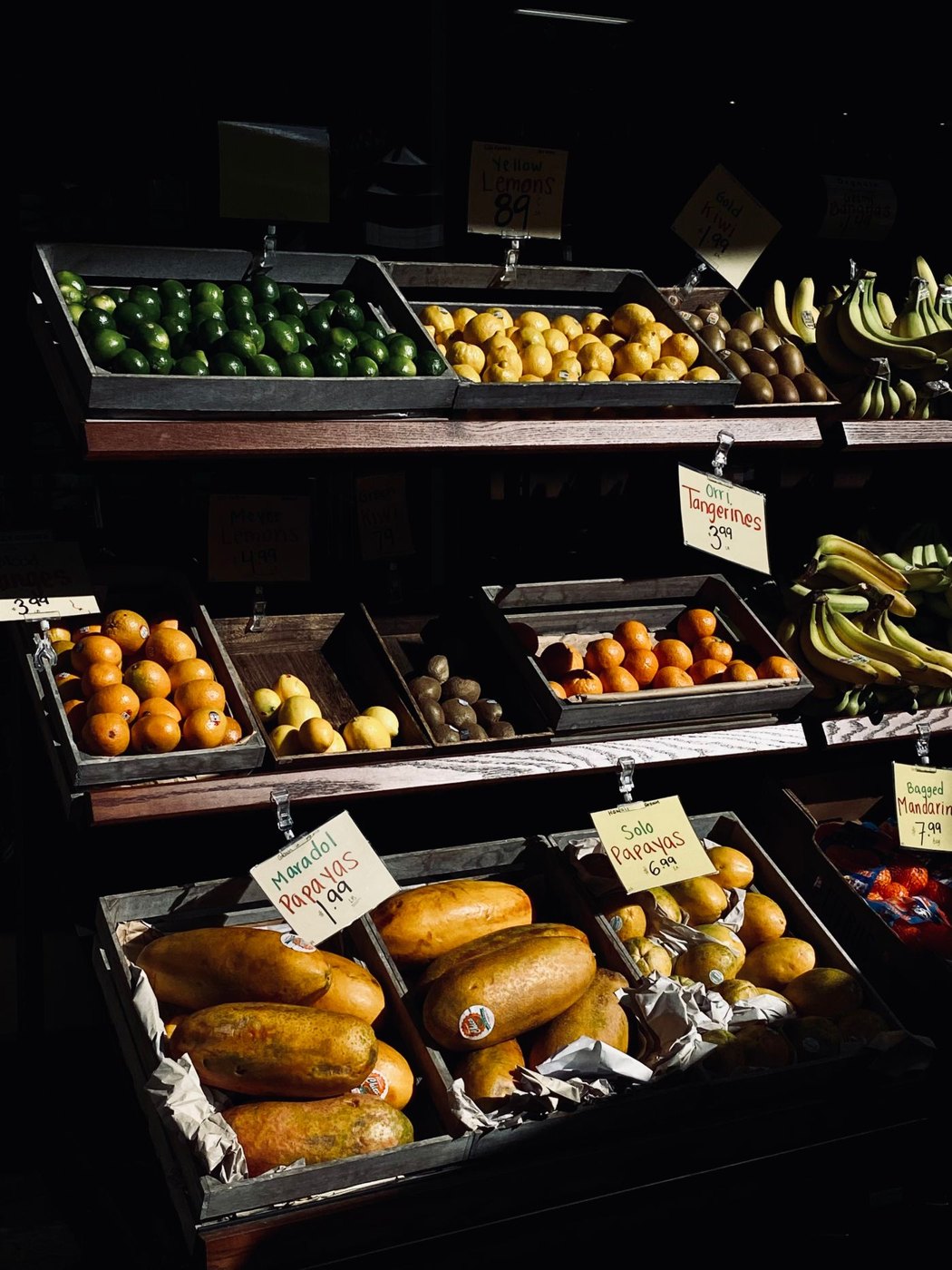
Choose a consistent unit before comparing. If one price is per kilogram and the other per 100 grams, convert one so they match. A hypothetical 750-gram pack costing $3 works out at $4 per kilogram: divide $3 by 0.75 kilograms. A one-kilogram pack at $4.20 has the higher unit price even though the difference on the shelf may look small.
For liquids, compare equivalent volume units. For items sold by count, ask whether the pieces are actually comparable. Different sizes or concentrations may make a simple per-item calculation incomplete. A concentrated product should be compared using its stated intended use rather than assuming every bottle provides the same amount of usable product.
The cheaper unit is only one part of the decision
Suppose a larger pack costs $5 for 1.5 kilograms, while a smaller pack costs $3 for 750 grams. The larger pack is approximately $3.33 per kilogram and the smaller $4. That is a real unit-price difference. But buying the larger pack requires another $2 today, and the saving depends on using the quantity bought.
If some of the larger pack will be wasted, compare the amount you realistically expect to use. Storage space, household preferences and the period before the next shop belong in the decision. Avoid turning a low unit price into an automatic instruction to buy more. A limited cash budget may reasonably favour the smaller outlay even when its unit price is higher.
Check which price the offer uses
Read whether a displayed price requires a membership, a minimum quantity or another condition. Compare the amount you will actually pay under the conditions you can meet. A price available only after buying three packs is not the same as the cost of taking one pack home.
Use the final quantity and final price in the calculation. If two different pack sizes are included in a promotion, a mental comparison based on the larger one can be misleading. Keep the calculation simple enough to check: total price divided by total equivalent quantity.
Bring the comparison back to the shopping list
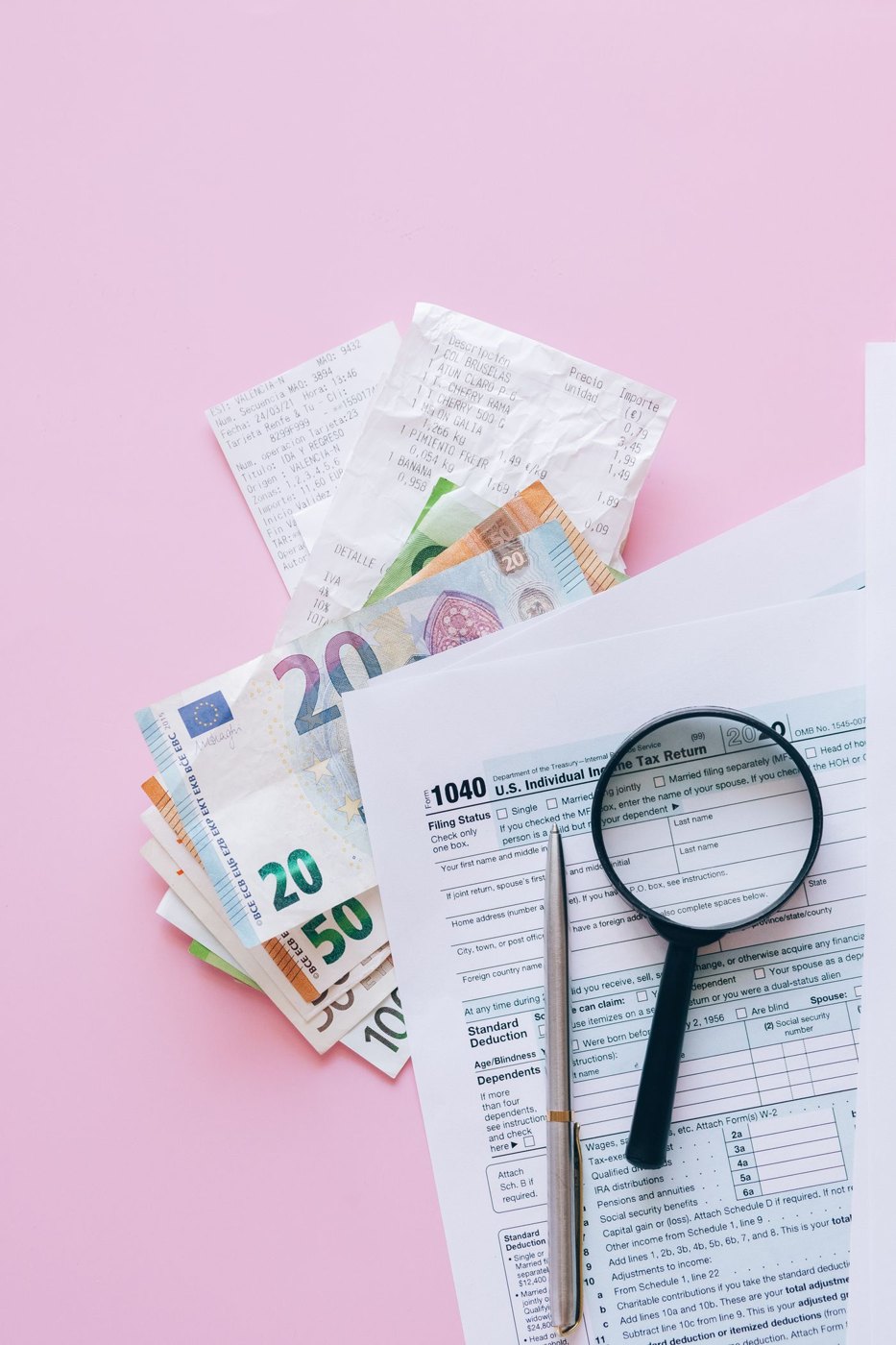
Identify a few products you buy repeatedly and compare those carefully. There is little value in calculating every unfamiliar item if it distracts from the planned shop. Check the receipt when a promotion matters to the decision, and raise a discrepancy through the retailer's process.
The goal is to understand what the money buys. Unit pricing is a way to compare like with like, while the shopping list and available cash determine how much is useful to buy now.