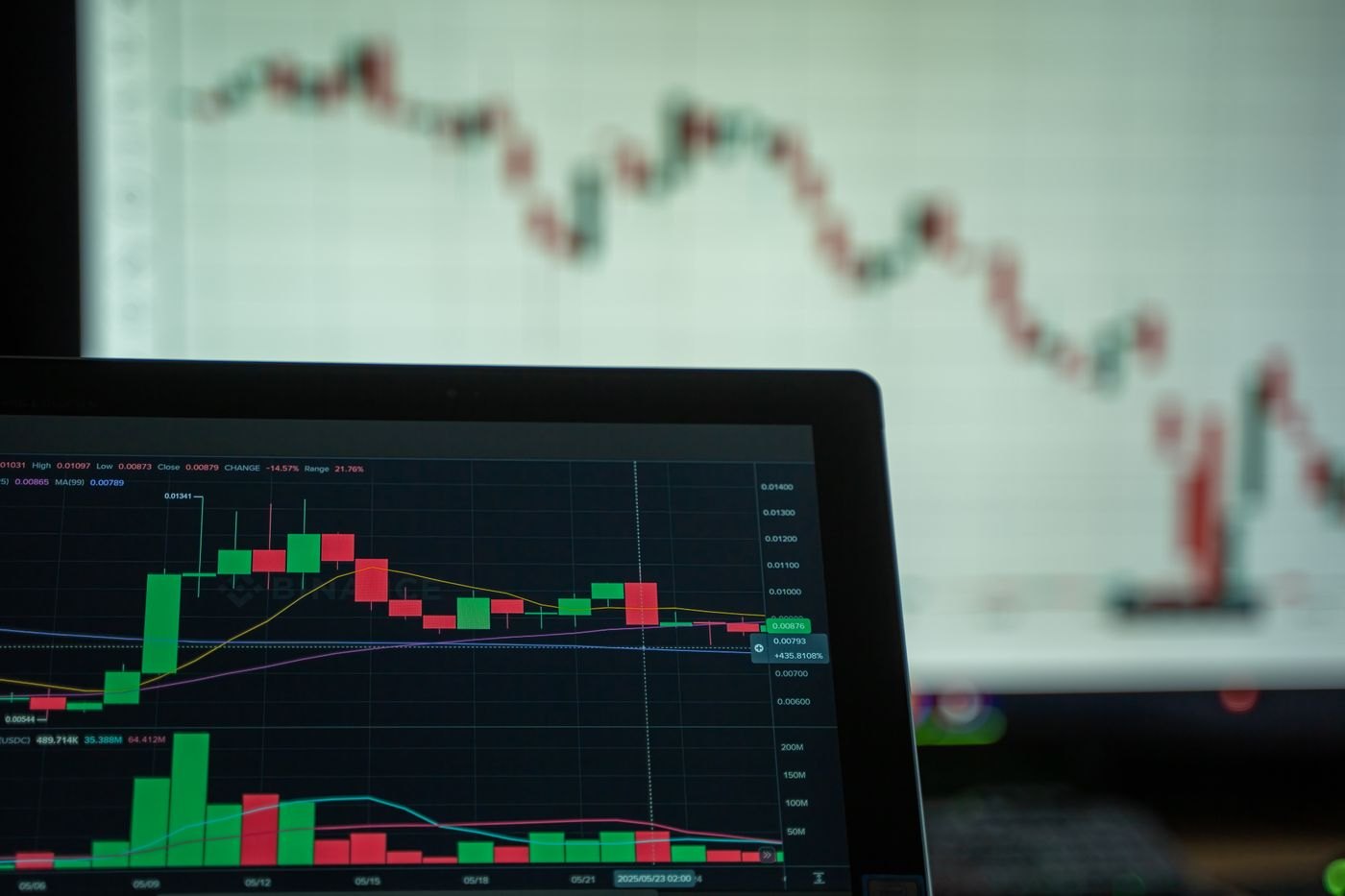
Read the quote from both sides
For a fictional security, suppose the best quoted bid is $9.90 and the ask is $10.10. The bid is the price on the buying side of the market; the ask is on the selling side. A person buying may face the ask, while a person selling may face the bid, subject to available quantities and execution conditions.
The spread is $0.20. Relative to the $10 midpoint, that is 2%. The midpoint is a calculation between the quotes, not a promise that an order can execute there. Investor.gov's glossary distinguishes these bid and ask prices.
If ten units were bought at $10.10 and immediately sold at $9.90 with quotes unchanged, the purchase would cost $101 and the sale would produce $99. The $2 difference is not a separate $2 commission; it comes from the two execution prices. Real quotes can move, and other charges may also apply.
Do not add this $2 again to a return calculation that already uses the actual $101 purchase and $99 sale. Those cash amounts already contain the price difference. Double counting can exaggerate the apparent cost.
Check quantity and timing
A quote can apply to only a limited number of units. A larger order may use additional prices, producing a different average. The displayed spread can also change during volatile or thinly traded periods. A screenshot is a record of one moment, not a fixed tariff.
When comparing securities or services, record the time, market conditions and order size rather than assuming one observed spread will persist. A narrow spread does not establish that the underlying investment is low risk, and a wide spread is not simply another name for its annual expense ratio.
For a first reading exercise, label bid, ask, midpoint and spread separately. Then calculate a hypothetical purchase and sale using the appropriate sides. This makes the mechanics visible and helps distinguish a price effect from an explicit fee before examining an actual trade confirmation.